
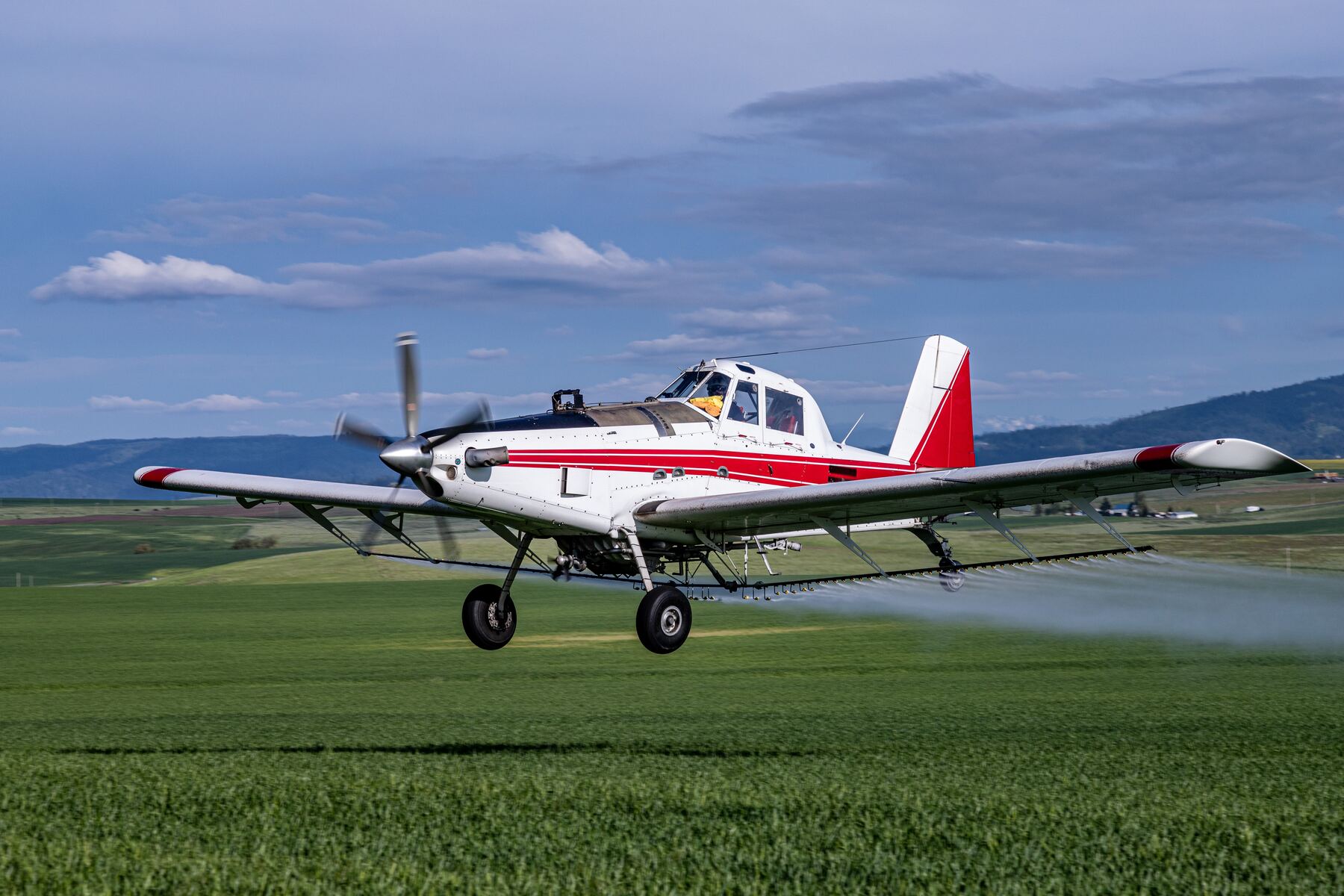
Glyphosate is a widely used herbicide and is one of the most commonly applied weed-killing chemicals globally. It was first introduced in 1974 by Monsanto under the trade name Roundup. The Herbicide works by inhibiting an enzyme called EPSP synthase, which is essential for the synthesis of certain amino acids in plants. Without these amino acids, plants cannot grow and eventually die.
Glyphosate is primarily used in agriculture, forestry, and landscaping to control weeds that compete with crops or natural vegetation. It is applied to various crops like soybeans, corn, cotton, canola, and wheat, among others. The widespread adoption of genetically modified crops, specifically glyphosate-resistant crops, has further increased its use, as these crops can withstand applications of the herbicide while the surrounding weeds are eliminated.
Glyphosate Controversy and Benefits
Over the years, glyphosate has faced both praise and controversy. Advocates argue that it is a valuable tool in modern agriculture, as it helps increase crop yields, reduces soil erosion by minimizing the need for plowing, and is less toxic to humans and animals compared to some older herbicides.
On the other hand, critics have expressed concerns about potential health and environmental risks associated with glyphosate. Some studies have suggested possible links between exposure and health issues like cancer, although regulatory agencies like the U.S. Environmental Protection Agency (EPA), the European Food Safety Authority (EFSA), and the World Health Organization (WHO) have stated that glyphosate is unlikely to pose a carcinogenic risk to humans when used according to label instructions.
There is controversy surrounding the chemical created by Monsanto which has led to regulatory scrutiny and legal battles. Some countries and jurisdictions have restricted or banned its use, while others continue to allow it under specific regulations.
As with any herbicide or pesticide, it is essential to follow the recommended application rates and safety guidelines to minimize potential risks to human health and the environment. Before using glyphosate or any other herbicide, it’s crucial to read and understand the product’s label instructions thoroughly. Additionally, staying informed about the latest research and regulatory decisions can help individuals make informed decisions about the use of glyphosate and its alternatives.
Found in Our Air, Water, and Soil
Glyphosate has been detected in numerous air, water, and soil samples in various parts of the world. The widespread use of glyphosate as an herbicide, particularly in agriculture, has led to its presence in the environment through different pathways.
- Air: Can be transported through the air after its application as a spray. Drift can occur, especially in windy conditions, leading to its presence in the surrounding atmosphere. Residues of the chemical have been found in air samples near agricultural fields where the herbicide is commonly used.
- Water: Runoff from treated fields and gardens can carry glyphosate into nearby water bodies, such as rivers, lakes, and ponds. Additionally, the use in urban areas, like on roadsides and lawns, can also contribute to its presence in stormwater runoff. As a result, traces of the chemical have been detected in surface water and groundwater in various regions.
- Soil: It can bind to soil particles and remain in the soil for an extended period. Repeated applications over time can lead to its accumulation in the soil. It’s residues have been found in agricultural soils as well as non-agricultural areas, such as public parks and residential lawns.
The presence of the chemical in these environmental compartments has raised concerns about potential impacts on ecosystems and non-target organisms. Some studies have suggested that it’s breakdown products may have adverse effects on certain aquatic organisms and soil microorganisms. Additionally, the long-term use has raised concerns about the development of glyphosate-resistant weeds, leading to the need for more potent herbicides.
As a result of the detection in various environmental samples, there has been increased attention on its environmental fate, persistence, and potential ecological implications. Regulatory agencies in different countries have been monitoring its presence in the environment and updating guidelines for its safe use to minimize its impact on non-target species and ecosystems.
Health Risks and Environment
Glyphosate has been a subject of controversy and extensive research regarding its potential health risks and environmental damage. Here are some of the main concerns associated with glyphosate:
Health Risks:
- Cancer: The International Agency for Research on Cancer (IARC), which is part of the World Health Organization (WHO), classified glyphosate as “probably carcinogenic to humans” based on limited evidence of cancer in humans and sufficient evidence of cancer in animal studies. However, other regulatory agencies such as the U.S. Environmental Protection Agency (EPA) and the European Food Safety Authority (EFSA) have concluded that it is unlikely to pose a carcinogenic risk to humans when used according to label instructions.
- Endocrine Disruption: Some studies have suggested that glyphosate may have the potential to disrupt the endocrine system, which regulates hormones in the body. Endocrine disruption could lead to a variety of health issues, including reproductive and developmental problems.
- Residue in Food: Residues have been detected in various food items, particularly in crops that have been treated with the herbicide. This has raised concerns about potential dietary exposure to the chemical and its potential health effects.
- Health Impacts on Agricultural Workers: Farmworkers may face a higher risk of exposure due to its handling and application. Prolonged and direct exposure could have health implications for these individuals.
Environmental Damage:
- Impact on Non-Target Organisms: It is a broad-spectrum herbicide, meaning it can kill many types of plants. Its non-selective nature can also harm non-target plants, including beneficial ones like wildflowers and native species. Additionally, it has been linked to adverse effects on certain aquatic organisms, such as fish and amphibians, when runoff carries it into water bodies.
- Glyphosate-Resistant Weeds: The overuse has led to the emergence of glyphosate-resistant weeds, also known as “superweeds.” These resistant weeds can be challenging to control and may lead to the increased use of more potent herbicides, potentially exacerbating environmental impacts.
- Soil Health and Microbial Activity: Residues in the soil can affect soil microbial communities, potentially disrupting essential processes like nutrient cycling and soil fertility.
- Water Contamination: Glyphosate can enter water bodies through runoff and leaching from treated areas, leading to the contamination of surface water and groundwater. This contamination can have repercussions for aquatic ecosystems and the organisms that rely on these water sources.
Regulatory agencies in different countries have set limits on glyphosate residues in food and established guidelines for its safe use to minimize potential health and environmental risks. However, ongoing research and discussions continue to assess the safety and environmental impact, leading to ongoing debates and sometimes changes in regulations.
Other Important Facts
Several other topics are important to discuss regarding glyphosate to provide a comprehensive understanding of its uses, controversies, and impacts. Some of these topics include:
- Glyphosate and Genetically Modified Crops: The development and adoption of genetically modified (GM) crops with resistance to the chemical have significantly influenced agricultural practices. These crops, commonly referred to as “Roundup Ready” crops, allow farmers to apply the chemical directly to the crop to control weeds without harming the crop itself. The widespread use of GM crops has both benefits and concerns, including the potential for increased use and the emergence of glyphosate-resistant weeds.
- Regulatory Decisions and Bans: Different countries and jurisdictions have taken various approaches to regulate the chemical. Some have banned or restricted its use, while others continue to permit its use under specific guidelines. The regulatory decisions are often influenced by scientific assessments, public opinion, and the balance between agricultural needs and potential environmental and health risks.
- Glyphosate in Food Safety: Residues in food items have raised concerns among consumers. Monitoring programs and regulations are in place to establish acceptable levels of glyphosate residues in food and to ensure consumer safety. The ongoing debate over the safety of residues in food continues to be a topic of interest.
- Litigation and Legal Issues: It has been the subject of numerous lawsuits, particularly concerning its potential link to cancer. Some individuals have sued manufacturers of glyphosate-based herbicides, alleging that their exposure to the herbicide caused their cancer. These legal battles have drawn significant attention and have impacted public perceptions.
- Alternatives to Glyphosate: The controversies surrounding the topic have sparked interest in finding and promoting alternative weed control methods and herbicides. Integrated Pest Management (IPM) approaches, cultural practices, and the use of other herbicides are being explored as potential substitutes to reduce reliance on glyphosate.
- Public Perception and Media Coverage: Glyphosate’s controversy has been widely covered in the media, leading to public concern and skepticism about its safety. Understanding how information is presented in the media and how it influences public perception is essential for having informed discussions about the herbicide.
- Global Perspectives: it is used worldwide, and different countries may have varying regulations, usage patterns, and perspectives on its safety. Exploring how different regions approach the use can provide insights into the complexities of its global impact.
- Research and Future Directions: Ongoing scientific research plays a crucial role in understanding glyphosate’s safety and environmental impact better. Studying the long-term effects, exploring potential alternatives, and finding ways to mitigate any adverse consequences can guide future policies and practices related to use.
Discussing these topics can foster a more balanced and informed conversation about glyphosate, helping individuals and policymakers make decisions that consider both agricultural needs and environmental and health concerns.
Conclusion
Glyphosate is a widely used herbicide with both advocates and critics. Its primary function in agriculture, forestry, and landscaping is to control weeds and enhance crop productivity. While proponents highlight its benefits, such as increased crop yields and reduced soil erosion, concerns have been raised about potential health risks and environmental impacts.
The controversy surrounding Roundup revolves around its classification as a possible human carcinogen by some organizations, while others, including regulatory agencies, have not found sufficient evidence to support this claim. Nevertheless, it remains crucial to follow safety guidelines and use the chemical responsibly to minimize risks to human health and the environment.
The presence of glyphosate in air, water, and soil samples underscores the importance of monitoring its environmental fate and potential effects on non-target organisms. This has led to ongoing research and regulatory scrutiny to ensure the herbicide’s responsible use and mitigate any adverse ecological consequences.
As discussions about glyphosate continue, it is essential to consider its role in genetically modified crops, regulatory decisions, food safety, legal issues, alternative weed control methods, and its portrayal in the media. Understanding these diverse aspects provides a comprehensive perspective and empowers stakeholders to make informed decisions about use while balancing agricultural needs and environmental protection. Continued research and global collaboration will be vital in shaping the future of glyphosate and its impact on our ecosystems and well-being.