
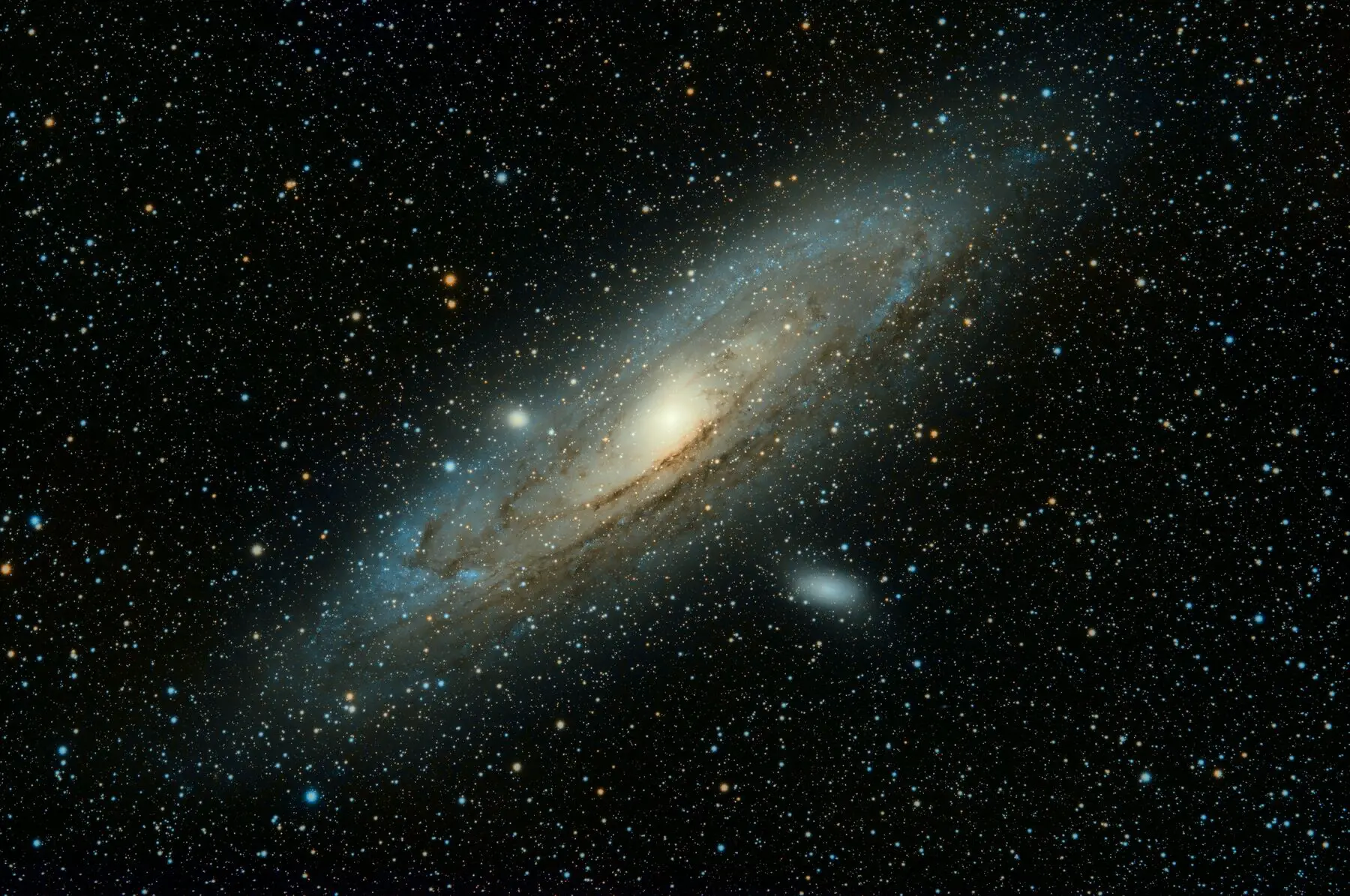
In the vast expanse of the cosmos, where galaxies swirl and stars twinkle, a question of cosmic proportions lingers: What is the weight of the universe? It’s a question that sparks the imagination and invites us to delve into the mysteries that define our cosmic home.
The Cosmic Ballet
To comprehend the weight of the universe, we must first understand the dance of galaxies. Galaxies, those colossal collections of stars, planets, gas, and dark matter, perform an intricate ballet across the cosmos. Gravity, the invisible force that binds matter together, orchestrates this celestial dance. The mass of a galaxy, determined by its constituent elements, plays a pivotal role in shaping the cosmic landscape.
The weight of a galaxy is not a straightforward measure; it encompasses everything within its gravitational influence. From the massive black holes lurking at the galactic centers to the ethereal cosmic dust scattered throughout, each element contributes to the galactic weight. Scientists use various methods, including studying the rotation curves of galaxies and observing the gravitational effects on nearby objects, to estimate the mass and subsequently the weight of these celestial behemoths.
Dark Matter: The Cosmic Enigma
As we ponder the weight of the universe, a mysterious player enters the stage – dark matter. Unlike the familiar matter that constitutes stars, planets, and everything we see, dark matter remains elusive, revealing its presence only through gravitational interactions. Though invisible, dark matter exerts a gravitational pull, shaping the large-scale structure of the universe.
Estimates suggest that dark matter makes up approximately 27% of the universe’s total mass-energy content. Its weight, distributed in vast cosmic webs, weaves through the fabric of space-time, influencing the trajectories of galaxies and galaxy clusters. Unraveling the enigma of dark matter is crucial in understanding the true weight and composition of our cosmic home.
Celestial Giants: Galaxy Clusters
Zooming out from individual galaxies, we encounter another cosmic weight class – galaxy clusters. These colossal structures, composed of multiple galaxies bound together by gravity, form the backbone of the cosmic web. The sheer mass of galaxy clusters is staggering, with some containing thousands of galaxies.
The weight of a galaxy cluster extends beyond the visible matter, incorporating dark matter and hot gas that permeates the space between galaxies. Scientists employ various techniques, such as gravitational lensing and X-ray observations, to unravel the complexities of galaxy clusters and gauge their colossal weight.
The Cosmic Soup: Dark Energy
As we venture further into the cosmic narrative, we encounter an even more mysterious force – dark energy. Unlike gravity, which pulls matter together, dark energy drives the accelerated expansion of the universe. Though its origins remain shrouded in mystery, dark energy constitutes approximately 68% of the universe’s total energy density.
The weight of dark energy is not a localized quantity; rather, it permeates the very fabric of space itself. Its influence becomes apparent on cosmic scales, shaping the overall geometry of the universe. The interplay between dark matter, dark energy, and visible matter creates a delicate cosmic balance, and understanding their combined weight unveils the profound dynamics of the cosmos.
Quantifying the Incomprehensible
Attempting to quantify the total weight of the universe is a daunting task. The observable universe, the part we can see, is estimated to have a mass of around 3 x 10^52 kilograms. However, this is just the tip of the cosmic iceberg. The vast majority of the universe lies beyond our observational reach, concealed in regions that elude even our most powerful telescopes.
To comprehend the incomprehensible, scientists employ models and simulations that incorporate the known properties of matter, dark matter, and dark energy. These simulations provide insights into the large-scale structure of the universe and enable researchers to estimate the total cosmic weight based on our current understanding of its constituents.
Universe’s Evolving Weight
The weight of the universe is not a static quantity; it evolves over cosmic time scales. In the early moments of the universe, during the epoch of primordial nucleosynthesis, the elemental composition set the stage for the cosmic drama that unfolded. As galaxies formed and structures grew, the cosmic scales tipped in favor of gravity, sculpting the cosmic landscape.
Today, as we peer into the cosmic tapestry, we witness the ongoing interplay between matter, dark matter, and dark energy. The weight of the universe continues to shape its destiny, influencing the expansion rate and the ultimate fate of our cosmic home.
Looking to the future, our understanding of the weight of the universe will undoubtedly evolve. Advancements in observational techniques, theoretical models, and experimental technologies will refine our estimates and deepen our insights into the cosmic scales. As we celebrate the one-year birthday of our exploration into the weight of the universe, we stand at the threshold of new discoveries that promise to unveil the secrets of the cosmos.
Closing Thoughts
In our quest to fathom the weight of the universe, we embark on a journey of scientific inquiry, cosmic curiosity, and human imagination. The cosmic scales, tipped by the forces of gravity, dark matter, and dark energy, weave a narrative of cosmic proportions. As we reflect on the wonders of the cosmos on this one-year celebration, we are reminded that the weight of the universe is not just a numerical value; it’s a testament to the grandeur and complexity of the cosmic tapestry that surrounds us.
In the dance of galaxies, the mysteries of dark matter, and the influence of dark energy, we find not just answers but an invitation to marvel at the cosmic spectacle. The weight of the universe, a numerical enigma, pales in comparison to the weight of wonder that permeates our quest to understand the cosmos. As we gaze into the cosmic abyss, let us continue to explore, discover, and celebrate the boundless mysteries that make the universe both an intellectual challenge and a source of awe-inspiring beauty. Happy one-year anniversary to our cosmic exploration!