
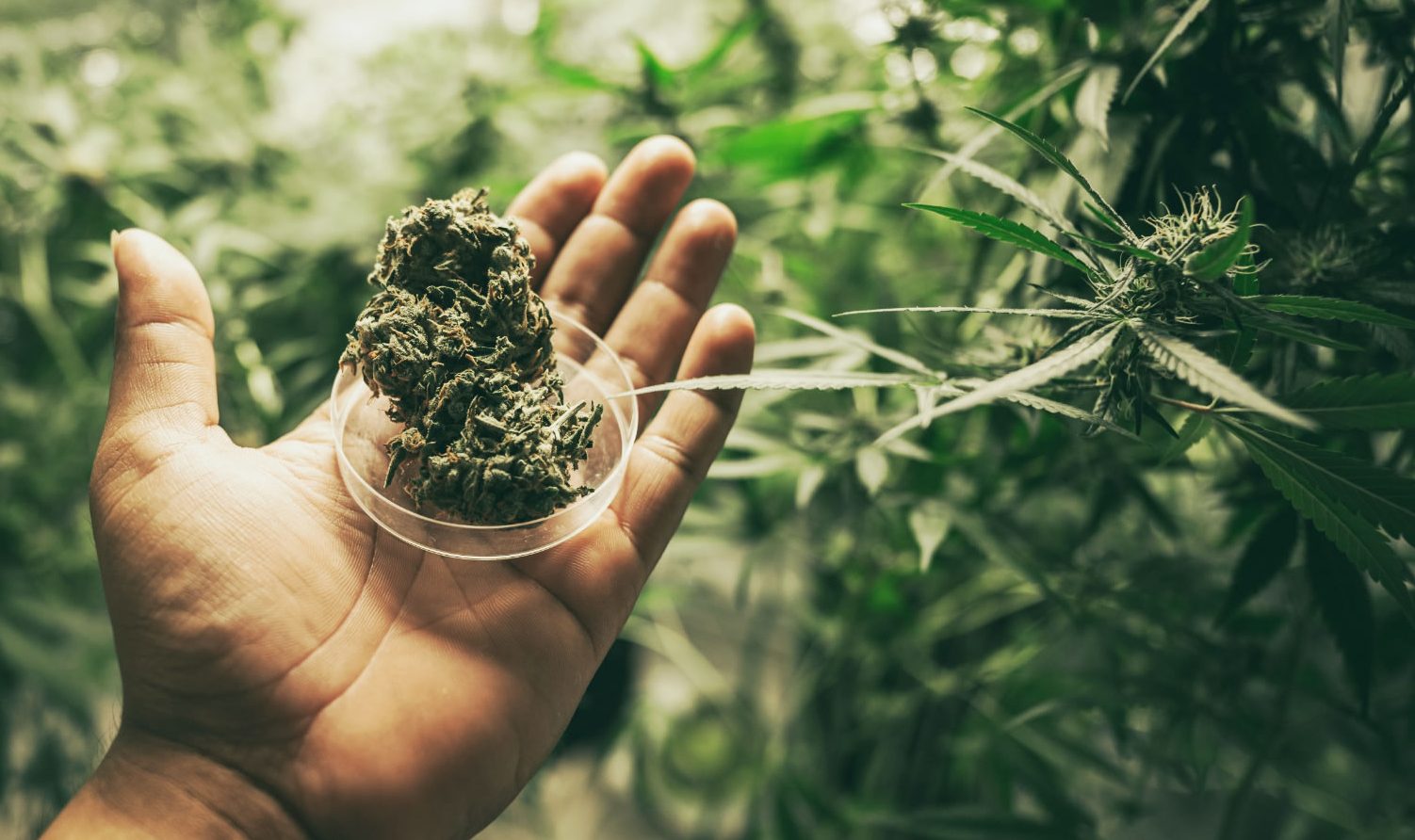
Cannabis is consumed heavily in the United States.
- 18 states have legalized the recreational use
- 37 states and 4 territories have legalized the medical use
My products are tested in a laboratory, aren’t they safe?
– Analysis and testing can vary from hundreds to thousands of dollars per sample
– Lab tests usually include THC and CBD concentrations only
– Labs often do not test for PGRs, pesticides, herbicides, or mold
– Under California testing standards they should test for these contaminants
– It is impossible to test every batch for every dispensary for every grower
Let’s Begin.
PGRs / Plant Growth Retardants
Chemicals used by the Cannabis industry to:
- Increase density or rockiness of the buds
- Trigger early blooming of buds
- Prevent further growth of the plant height
- Increase resistance to mold and mildew
Common chemicals and safety:
- Daminozide – Increases the incidence of tumors and there are no longer any registered food or feed uses of daminozide, and all tolerances have been revoked by the EPA
- Paclobutrazol – Moderate acute toxicity by the oral and inhalation routes, currently no food uses for paclobutrazol, and very toxic to aquatic organisms
- Chlormequat – Irritates the lungs causing fluid buildup, can cause nausea, vomiting, irregular-heartbeat, tremors, and seizures, can cause liver damage, decreases in body weight and signs of neurotoxicity in rats, registered originally for use on ornamental plants, and classified as an extremely hazardous substance in the United States
The EPA has released new guidelines for the use of Chlormequat Chloride on plants and animals. It was originally accepted for ornamental use. Still banned by Washington legislature.
Pesticides & Herbicides In Cannabis
Pests such as spider or broad mites could potentially ruin harvests. Due to this concern growers often use pesticides to curb infestations or potential infestations.
Common chemicals and human safety:
- Avid – Not labeled for use on edible plants, known as a developmental or reproductive toxin in humans, and this chemical is highly toxic to aquatic life
- Floramite – Labeled use for ornamentals plants and toxic to aquatic life with long lasting effects
- Forbid – Labeled use for ornamental plants and this pesticide is toxic to fish and aquatic invertebrates
- Permethrin – Inhaling Permethrin can irritate the nose, throat and lungs, exposure can cause headache, fatigue, muscle weakness, nausea, and vomiting, may affect the liver, and can be used on fruit and nut trees
- Paraquat – Exposure to paraquat has been linked to the development of Parkin’s disease, depending on the dose paraquat can either be immediately fatal or can lead to kidney, liver, lung, and heart failure, and between the 1970’s and 1980’s the US government helped spray this toxic herbicide on marijuana plants in Georgia and Mexico
Permethrin is allowed for use on some consumable crops. The label states that the crops should be thoroughly washed before eating. If bud is contaminated with permethrin, cannabis consumers aren’t going to wash their smokable substances. Guess where it ends up……into the lungs.
A study has found that the use of these pesticides and others are common and that high levels of the pesticides are transferred into the cannabis smoke by Amelia Taylor and Jason W. Birkett.
Mold and Powdery Mildew In Cannabis
When humidity rises with low air circulation it causes mold or mildew.
- Bud Rot – Botrytis cinerea is a fungus which affects cannabis, evidence of mushy or gray stems and wilted, burnt, or yellow leaves
- Powdery Mildew – Erysiphales Erysiphaceae can infect plants, plant infections can be mild, or if untreated can spread to the entire crop
Less dangerous than pesticides and plant growth retardants; however, ingesting or smoking mold from certain species can cause major consequences to those who are immunocompromised, elderly, or cancer patients. In certain circumstances it can lead to serious health risks like lung infections or issues with your central nervous system. One example is “Farmers Lung“.
Growers aren’t too happy about throwing away tens of thousands of dollars worth of Cannabis. Hurting their bottom line it can be detrimental to their business. This causes moldy weed to end up in dispensaries or illegal operations at a fraction of the price.
Cannabis Conclusions
Cannabis is a great substance that can be used recreationally and medically.
Without federal recognition and testing it can be dangerous to human health. California regulations regarding cannabis include testing for many of these contaminants, additives, and pesticides. The issue is that even a legal dispensary with a legal tester can fly under the radar regarding the specific tests. The industry is largely undeveloped with these standards.
Certain topics aren’t discussed in this article such as the fact that cannabis can have alarmingly high rates of heavy metals including cadmium, arsenic, selenium, mercury, lead, chromium, nickel, and arsenic.
Growing your own personal batch is the best way to prevent dangerous additives, pesticides, heavy metals, and plant growth retardants.