
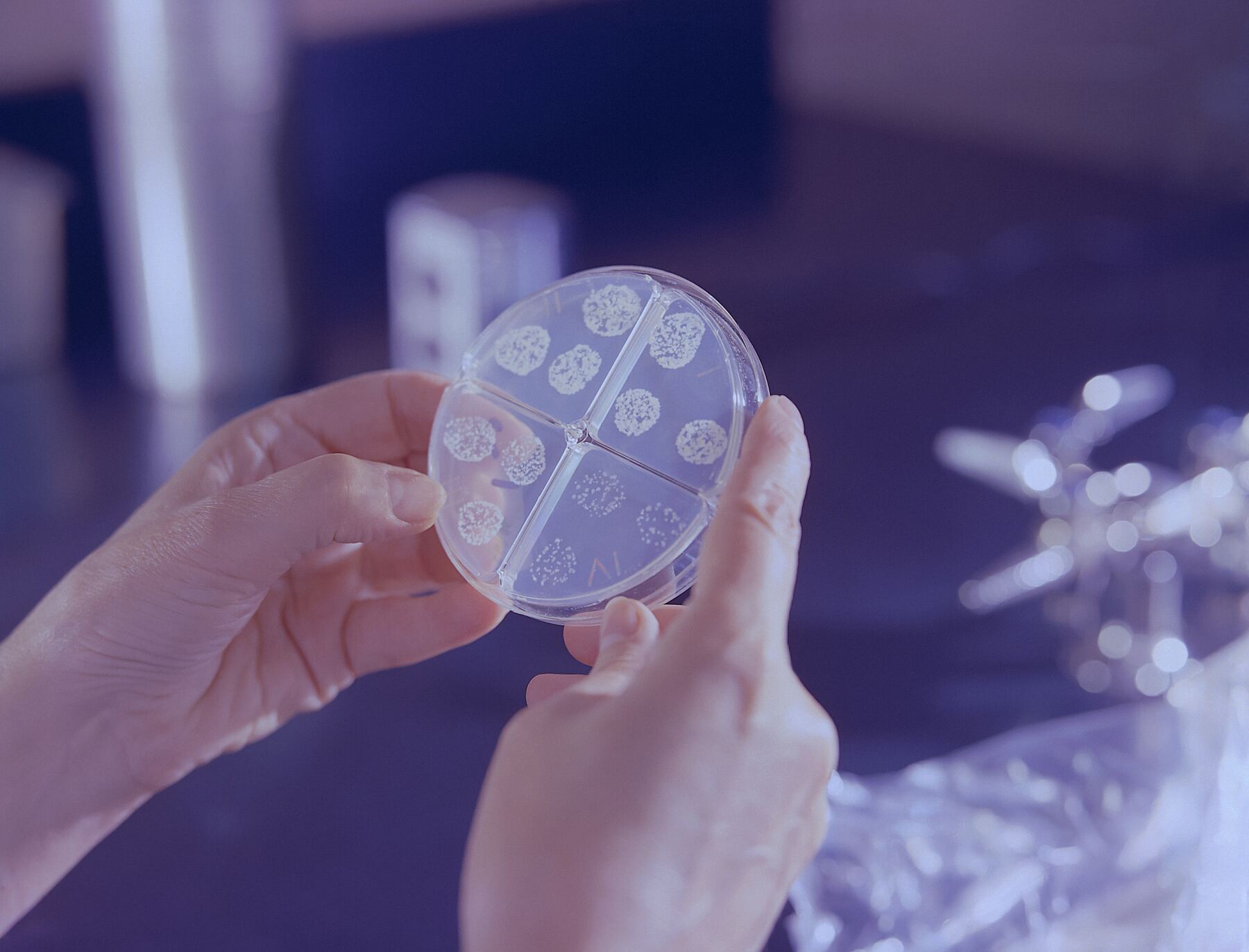
Microbiology, the scientific study of microorganisms, has revolutionized our understanding of the world around us. Despite their small size, microorganisms play a critical role in various aspects of our lives, from shaping ecosystems, to maintaining our health, to advancing biotechnology and agriculture. Microbiology has a rich history, marked by numerous groundbreaking discoveries and advancements that have transformed our understanding of life on Earth. In this article, we will delve into the world of microbiology, exploring its importance, history, key discoveries, applications, and future prospects.
Importance of Microbiology
Microorganisms, also known as microbes, are microscopic living organisms that include bacteria, viruses, fungi, protozoa, and algae. They are ubiquitous and can be found in almost every environment on Earth, including soil, water, air, and the human body. Despite their small size, microbes have a profound impact on the planet and all living organisms.
One of the key roles of microbes is their contribution to global ecosystems. Microbes play a critical role in nutrient cycling, decomposition, and biogeochemical processes. For example, they are responsible for nitrogen fixation, which converts atmospheric nitrogen into a form that can be used by plants, making them essential for agriculture and food production. Additionally, microbes are involved in the breakdown of dead organic matter, recycling nutrients back into the ecosystem and maintaining ecological balance.
Microbes also have significant implications for human health. While some microbes can cause infectious diseases, many are essential for maintaining human health. The human body is home to trillions of microorganisms, collectively known as the human microbiome, which plays a crucial role in digestion, immunity, and overall well-being. Microbes are also used in the production of pharmaceuticals, including antibiotics, vaccines, and other medical treatments.
Furthermore, microbes have numerous applications in biotechnology and industry. They are used in the production of food and beverages, such as cheese, yogurt, beer, and bread. Microbes are also used in environmental bioremediation to clean up pollution and remove contaminants from soil and water. Additionally, microbes are employed in genetic engineering and synthetic biology to produce biofuels, enzymes, and other industrial products.
History of Microbiology
The history of microbiology dates back to the late 17th century when early scientists began observing and studying microorganisms with the aid of newly developed microscopes. One of the first significant discoveries was made by Antonie van Leeuwenhoek, a Dutch scientist who was the first to observe and describe microorganisms, which he called “animalcules,” using a simple microscope. His observations of various microorganisms, including bacteria and protozoa, opened the doors to the field of microbiology.
In the 19th century, the French scientist Louis Pasteur and the German physician Robert Koch made significant contributions to the field of microbiology. Pasteur’s experiments disproved the widely held belief in spontaneous generation, which proposed that living organisms could arise spontaneously from non-living matter. Pasteur’s work demonstrated that microorganisms are responsible for fermentation and putrefaction and that they can be controlled through heat treatment, known as pasteurization. He also developed vaccines for rabies and anthrax, which laid the foundation for the field of immunization.
Koch’s work focused on the relationship between microbes and diseases. He formulated Koch’s postulates, a set of criteria that are still used today to establish the causative relationship between a microorganism and a disease. Koch identified the bacteria responsible for anthrax, tuberculosis, and cholera, among others, and his work laid the foundation for the field of medical microbiology, which focuses on the identification and study of microorganisms that cause diseases in humans.
In the late 19th and early 20th centuries, other notable microbiologists made significant contributions to the field. For instance, Alexander Fleming’s discovery of the antibiotic substance penicillin in 1928 revolutionized medicine and led to the development of antibiotics, which have saved millions of lives by treating bacterial infections. The field of virology also emerged during this period, with scientists like Wendell Stanley isolating and characterizing viruses, which are microscopic infectious agents that are smaller than bacteria.
The field of microbiology continued to advance rapidly with the development of new technologies, such as electron microscopy, DNA sequencing, and genetic engineering, which provided unprecedented insights into the structure, function, and diversity of microorganisms. Microbiologists made groundbreaking discoveries, such as the identification of the structure of DNA by James Watson and Francis Crick, which laid the foundation for the field of molecular biology and revolutionized our understanding of genetics.
Types of Organisms
Microbiology is the branch of science that studies microorganisms, which are typically too small to be seen with the naked eye. Microorganisms are diverse and encompass a wide range of different types of organisms. Some of the major types of microorganisms studied in microbiology include:
- Bacteria: Bacteria are single-celled, prokaryotic microorganisms that are found in virtually every environment on Earth. They come in a variety of shapes, such as rods, cocci (spheres), and spirals, and can have different metabolic capabilities. Some bacteria are beneficial and play important roles in human health, agriculture, and industry, while others can cause diseases in humans, animals, and plants.
- Viruses: Viruses are small infectious agents that are composed of genetic material (DNA or RNA) surrounded by a protein coat. Unlike bacteria, viruses are not considered living organisms because they are unable to reproduce and carry out metabolic activities on their own. Instead, they must infect a host cell and hijack its machinery to replicate. Viruses can cause a wide range of diseases in humans, animals, and plants.
- Fungi: Fungi are eukaryotic microorganisms that include a diverse group of organisms, such as yeasts, molds, and mushrooms. They can be single-celled or multicellular and are characterized by their ability to absorb nutrients from other organisms. Fungi play important roles in decomposition, nutrient cycling, and food production, but can also cause diseases in humans, animals, and plants.
- Protozoa: Protozoa are single-celled eukaryotic microorganisms that are often motile and exhibit a variety of shapes and sizes. They are commonly found in aquatic environments and soil, and some are important parasites that can cause diseases in humans and animals. Protozoa are also important in ecological processes, such as nutrient cycling and predation.
- Algae: Algae are photosynthetic microorganisms that can be unicellular or multicellular. They are found in a wide range of environments, including freshwater, marine, and terrestrial habitats. Algae are important primary producers in aquatic ecosystems, serving as the base of the food chain, and also play a role in carbon cycling and oxygen production. Some algae can produce toxins and cause harmful algal blooms.
- Archaea: Archaea are prokaryotic microorganisms that are distinct from bacteria and are often found in extreme environments, such as hot springs, deep-sea hydrothermal vents, and salt flats. They are known for their ability to survive in harsh conditions and carry out unique metabolic processes. Archaea are important in biogeochemical cycles and have applications in biotechnology and industry.
These are just some of the major types of microorganisms studied in microbiology. There are many other microorganisms that are also of interest, such as helminths (parasitic worms), prions (abnormal proteins associated with neurodegenerative diseases), and viroids (small infectious RNA molecules). Microbiology encompasses a vast and diverse array of microorganisms, each with its unique characteristics, roles, and impacts on various aspects of life on Earth.
Key Discoveries in Microbiology
Microbiology has been marked by several key discoveries that have revolutionized our understanding of microorganisms and their impact on the world. Here are some notable discoveries in the field of microbiology:
- Germ Theory: One of the most significant discoveries in microbiology was the establishment of the germ theory of disease, which proposed that microorganisms are the causative agents of infectious diseases. This theory, pioneered by Louis Pasteur and Robert Koch, revolutionized medicine and led to the development of modern sanitation practices, antibiotics, and vaccines, which have saved countless lives.
- Antibiotics: The discovery of antibiotics, which are chemical substances produced by microorganisms that can inhibit the growth of or kill other microorganisms, has been a groundbreaking development in microbiology. Alexander Fleming’s discovery of penicillin in 1928 was a milestone that led to the development of antibiotics, such as streptomycin, tetracycline, and erythromycin, which have revolutionized the treatment of bacterial infections and saved millions of lives.
- Genetic Engineering: The field of genetic engineering, which involves the direct manipulation of an organism’s genes using biotechnology, has had a profound impact on microbiology. The development of recombinant DNA technology in the 1970s allowed scientists to manipulate the genes of microorganisms to produce useful products, such as insulin, enzymes, and biofuels. Genetic engineering has opened up new possibilities for improving agriculture, medicine, and industry.
- Virology: The discovery and characterization of viruses, which are small infectious agents that can replicate only inside living cells, have been a significant milestone in microbiology. Scientists like Wendell Stanley and Robert Gallo made groundbreaking discoveries in virology, leading to the development of vaccines and antiviral therapies for diseases such as influenza, HIV/AIDS, and hepatitis.
- Microbiome Research: The study of the human microbiome, which refers to the complex community of microorganisms that live in and on the human body, has been a major area of research in recent years. Advances in DNA sequencing and metagenomics have allowed scientists to better understand the composition and function of the human microbiome and its role in human health and disease. Microbiome research has provided insights into conditions such as obesity, inflammatory bowel disease, and mental health disorders, and has the potential to lead to new therapies and interventions.
Applications of Microbiology
Microbiology has numerous applications in various fields, including medicine, agriculture, biotechnology, environmental science, and food production. Here are some notable applications of microbiology:
- Medical Microbiology: Microbiology plays a critical role in the diagnosis, treatment, and prevention of infectious diseases in humans. Medical microbiologists study pathogenic microorganisms, such as bacteria, viruses, fungi, and parasites, to identify the causes of diseases and develop effective treatments. They also work on the development of vaccines to prevent the spread of infectious diseases. Medical microbiology has played a crucial role in the control and eradication of diseases like polio, smallpox, and measles through vaccination programs.
- Agricultural Microbiology: Microorganisms play a crucial role in agriculture by promoting plant growth, decomposing organic matter, and controlling pests and diseases. Agricultural microbiologists study the interactions between microorganisms and plants to develop sustainable agricultural practices. For example, they develop microbial inoculants that can be used as biofertilizers or biopesticides to improve crop yield and reduce the use of chemical fertilizers and pesticides, thus promoting environmentally-friendly agriculture.
- Industrial Microbiology: Microorganisms are used in various industrial processes to produce a wide range of products. Industrial microbiologists work on the development of microbial processes for the production of enzymes, biofuels, antibiotics, vitamins, and other chemicals. Microbes can also be genetically engineered to produce specific products with desired properties, leading to the development of biotechnology and bioengineering industries.
- Environmental Microbiology: Microorganisms play a critical role in environmental processes, such as bioremediation, where they break down or transform pollutants in the environment. Environmental microbiologists study the interactions between microorganisms and the environment to understand how they can be harnessed for environmental conservation and restoration. For example, microbes can be used to clean up oil spills, degrade pollutants in soil and water, and recycle organic waste.
- Food Microbiology: Microorganisms are involved in various aspects of food production, from fermentation processes in the production of cheese, yogurt, and bread, to food spoilage and foodborne diseases caused by pathogenic microorganisms. Food microbiologists study the microbiological quality and safety of food products, develop methods for food preservation, and ensure that food products are safe for consumption.
- Pharmaceutical Microbiology: Microorganisms are used in the production of many pharmaceutical products, including antibiotics, vaccines, and biologics. Pharmaceutical microbiologists work on the development and quality control of pharmaceutical products to ensure their safety and efficacy. They also study the interactions between microorganisms and the human body to understand their role in drug metabolism and drug interactions.
- Water and Wastewater Microbiology: Microorganisms play a crucial role in the treatment of drinking water and wastewater. Water and wastewater microbiologists study the microbiological quality of water sources, develop methods for water treatment, and monitor the effectiveness of water treatment processes. They also study the microbiology of wastewater treatment systems to ensure the safe disposal or reuse of treated wastewater.
Current Trends and Future Directions
Microbiology is a rapidly evolving field, and several current trends and future directions are shaping its development. Here are some notable trends and directions in microbiology:
- Microbiome Research: The study of the human microbiome, as well as the microbiomes of other animals, plants, and environments, is a rapidly growing area of microbiology. Advances in DNA sequencing and metagenomics have allowed scientists to better understand the composition and function of microbiomes and their role in health and disease. Microbiome research has the potential to lead to new therapies and interventions for various diseases, as well as applications in agriculture, environmental science, and biotechnology.
- Antimicrobial Resistance: The emergence of antimicrobial resistance, where microorganisms become resistant to the drugs used to treat them, is a major global health threat. It has led to a renewed focus on the development of new antibiotics, as well as strategies to prevent the spread of drug-resistant microorganisms. Microbiologists are working on understanding the mechanisms of antimicrobial resistance and developing innovative approaches to combat it, such as the use of bacteriophages, antimicrobial peptides, and combination drug therapies. Addressing antimicrobial resistance is crucial to ensuring the continued effectiveness of antibiotics and other antimicrobial drugs, which are essential for treating infectious diseases.
- Synthetic Biology: Synthetic biology is a rapidly growing field that combines engineering principles with biology to design and construct biological systems with novel functions. Microorganisms are used as cellular factories for the production of biofuels, chemicals, and other valuable products through synthetic biology approaches. Microbiologists are at the forefront of developing and optimizing microbial systems for synthetic biology applications, including the design of synthetic microbial genomes, gene editing techniques, and metabolic engineering strategies.
- Microbiological Diagnostics: Rapid and accurate diagnostics are critical for the early detection and management of infectious diseases. Microbiologists are involved in the development and implementation of advanced diagnostic techniques, such as nucleic acid amplification tests, next-generation sequencing, and point-of-care diagnostics. These advances in diagnostic technologies have revolutionized microbiological diagnostics and have enabled faster and more accurate identification of microorganisms, leading to better patient care and disease control.
- Microbiological Informatics: With the increasing availability of large-scale genomic data, microbiologists are increasingly relying on computational approaches to analyze and interpret complex microbiological data. Microbiological informatics involves the use of computational tools and techniques, such as bioinformatics, metagenomics, and machine learning, to analyze microbial genomes, metagenomes, and other omics data. This field is critical for advancing our understanding of the diversity, function, and dynamics of microorganisms in different environments and their roles in various processes.
- Microbial Ecology: Microbial ecology is the study of the interactions between microorganisms and their environments, including their roles in biogeochemical cycles, nutrient cycling, and ecosystem functioning. Microbiologists are using advanced molecular techniques to investigate the diversity, distribution, and ecological functions of microorganisms in different ecosystems, ranging from oceans and soils to the human gut and plant rhizosphere. Understanding microbial ecology is crucial for predicting and managing the impacts of environmental changes, such as climate change, on microbial communities and their ecological functions.
- Microbial Biotechnology: Microbial biotechnology involves the use of microorganisms or their products for various biotechnological applications. Microbiologists are using genetic engineering, fermentation, and other biotechnological techniques to develop microorganisms with enhanced capabilities for the production of valuable products, such as enzymes, biofuels, and pharmaceuticals. Microbial biotechnology has the potential to revolutionize industries, such as healthcare, agriculture, and bioenergy, by providing sustainable and cost-effective solutions for production processes.
Conclusion
Microbiology is a vast and dynamic field that has revolutionized our understanding of microorganisms and their roles in various aspects of life on Earth. From the discovery of antibiotics to the development of vaccines, microbiology has played a crucial role in advancing human health and welfare. Microbiologists continue to make significant contributions to various fields, including medicine, agriculture, industry, environmental science, and biotechnology.
Advances in technology, such as DNA sequencing, metagenomics, gene editing, and computational tools, have enabled microbiologists to study microorganisms with unprecedented detail and precision. These advances have led to new insights into the diversity, function, and dynamics of microorganisms and their applications in various industries and environmental processes.
As we continue to face challenges such as antimicrobial resistance, emerging infectious diseases, and environmental degradation, microbiology will continue to play a critical role in finding solutions to these issues. The interdisciplinary nature of microbiology, with its intersections with fields such as genetics, biochemistry, bioinformatics, and biotechnology, makes it a dynamic and evolving field with tremendous potential for future growth.
Microbiology will undoubtedly continue to play a pivotal role in shaping our understanding of microorganisms and their impact on the world around us, and will continue to contribute to the development of solutions for global challenges in the years to come.