
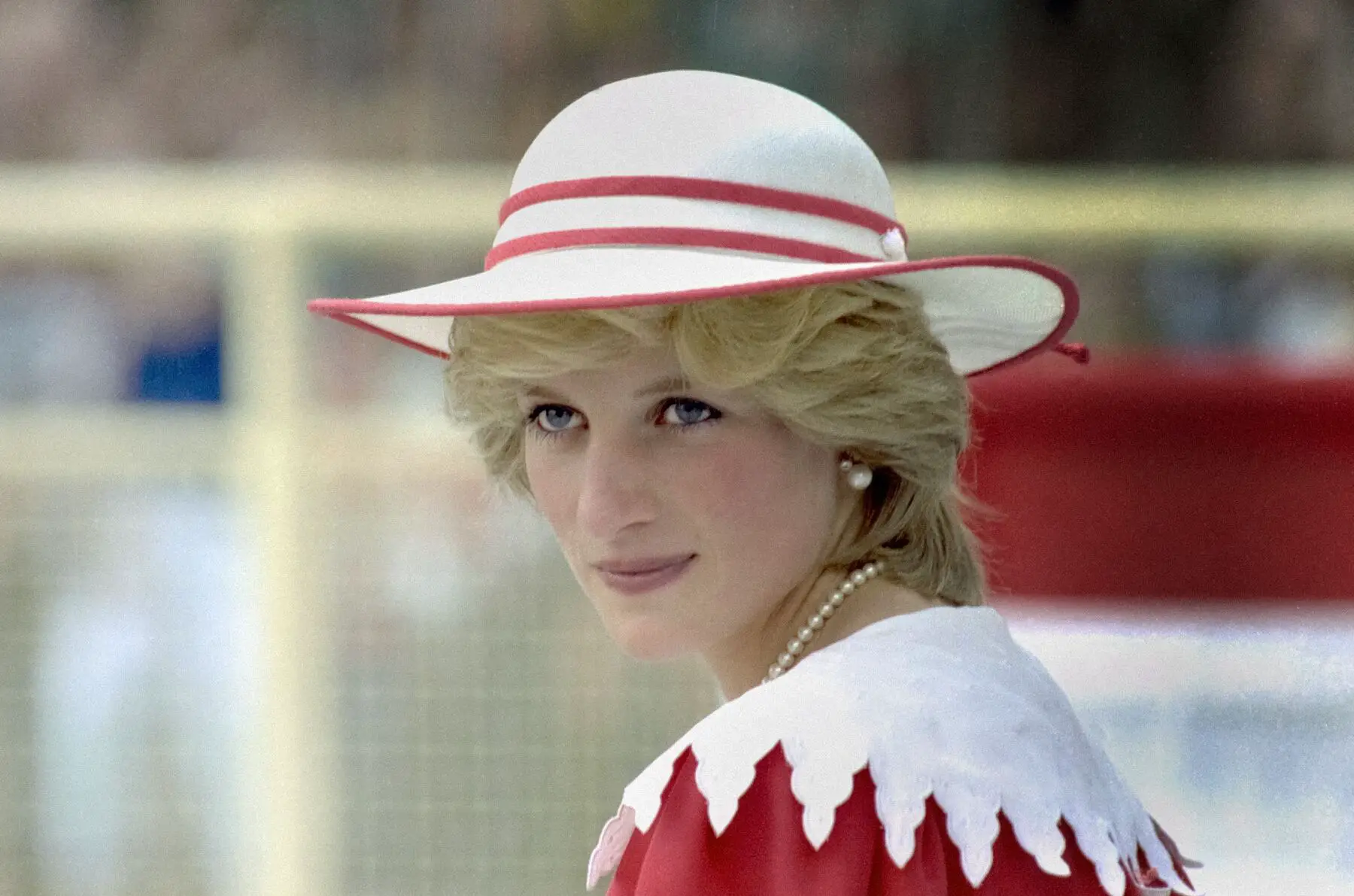
The tragic death of Princess Diana in 1997 has sparked numerous conspiracy theories, despite official investigations attributing the incident to a high-speed car crash. This article delves into the reasons behind the persistence of conspiracy theories surrounding Princess Diana’s death, exploring the psychological, social, and historical factors that contribute to the belief in alternative narratives.
Princess Diana’s Note
The conspiracy theory stems from a letter that Diana wrote to her butler, Paul Burrell, in October 1993. In the letter, she expressed concern about her life being in danger and mentioned that there were “dark forces” at play within the royal household. However, the context of the letter is important. Diana was going through a highly publicized and challenging period, including her separation from Prince Charles. The mention of “dark forces” has been interpreted by some as a reference to the challenges and obstacles she was facing within the royal family.
Despite the emotive language in the letter, there is no indication that Diana predicted her death or provided explicit details pointing to a conspiracy. Moreover, she continued to have a public presence and engage in humanitarian work after writing the letter.
Conspiracy theories often manipulate or misinterpret such documents to fit alternative narratives. It’s crucial to approach such claims with a critical eye and consider the overall context and evidence available. The official investigations into Princess Diana’s death did not find any credible evidence supporting the idea of foul play or conspiracy.
Media Sensationalism
Conspiracy theories often gain traction when fueled by media coverage that sensationalizes events. In the case of Princess Diana’s death, the intense media scrutiny surrounding her life and relationships, combined with the dramatic circumstances of the crash, created an environment ripe for conspiracy theories to take root. Princess Diana’s life was extensively covered by the media, and various aspects of her personal and public life contributed to the sensationalism surrounding her. Some key elements of media sensationalism related to Princess Diana include:
- Royal Marriage and Divorce:
- The media closely followed the tumultuous relationship between Princess Diana and Prince Charles. Their marriage and subsequent divorce were highly publicized, with details of their personal lives and struggles becoming tabloid fodder.
- Paparazzi Intrusion:
- Princess Diana’s life was marked by relentless paparazzi attention. Photographers constantly pursued her to capture candid moments, often invading her privacy. The intense media scrutiny contributed to the perception that her life was constantly under the public microscope.
- Humanitarian Work:
- While Diana’s humanitarian efforts were commendable, the media often sensationalized her charity work, turning it into a glamorous aspect of her public persona. Her involvement in charitable causes became a significant part of her image, but media coverage sometimes focused more on the spectacle than the issues themselves.
- Fashion and Style:
- Diana was known for her impeccable sense of style, and her fashion choices were closely followed by the media. Her clothing, hairstyles, and overall appearance were scrutinized and often turned into fashion trends. This emphasis on her looks contributed to the celebrity culture surrounding her.
- Relationships and Scandals:
- The media covered Diana’s romantic relationships, including her post-divorce relationships. Speculations and rumors about her personal life, particularly concerning her relationships with other men, were widely reported.
- Motherhood and Family Dynamics:
- The media extensively covered Diana’s role as a mother to Prince William and Prince Harry. Stories about her parenting style, her interactions with the royal family, and her efforts to balance motherhood with her public duties were often sensationalized.
- Tragic Death and Mourning:
- The media coverage surrounding Princess Diana’s death reached a fever pitch. The tragic circumstances of the car crash in Paris, the outpouring of public grief, and the subsequent funeral received extensive coverage, further contributing to the sensationalism surrounding her life and legacy.
The media played a significant role in shaping the narrative around Princess Diana, portraying her as a complex and often tragic figure. The intense coverage contributed to both adoration and scrutiny, creating a public image that transcended traditional royal expectations.
Cultural Distrust of Institutions
People’s inherent distrust of powerful institutions, such as governments and the royal family, can contribute to the inclination to question official narratives. Conspiracy theories often emerge as a response to a perceived lack of transparency or perceived hidden agendas within these institutions.
Distrust of Institutions:
- Royal Family:
- The British royal family, as a longstanding and powerful institution, has faced periods of public skepticism and distrust. Some people view the monarchy with suspicion, questioning its transparency, motives, and influence. The turbulent relationship between Princess Diana and the royal family fueled speculation and mistrust, making it easier for conspiracy theories to gain traction.
- Government and Authorities:
- Distrust of government and authoritative bodies is a common theme in many conspiracy theories. Some individuals are inherently skeptical of official narratives, suspecting hidden agendas or cover-ups. In the case of Princess Diana’s death, skepticism about the official investigation and the involvement of authorities has led to conspiracy theories proposing alternative explanations.
Media Influence on Distrust:
- Sensationalism and Manipulation:
- The media’s role in shaping public perception can contribute to a general distrust of information. The sensationalized coverage of Princess Diana’s life, relationships, and death may lead some individuals to question the accuracy and objectivity of media reports. This skepticism can extend to official statements and investigations, fostering a climate where alternative narratives are more readily embraced.
- Paparazzi Intrusion:
- The intrusive behavior of paparazzi, constantly pursuing Diana to capture sensational images, contributed to a sense of invasion of privacy. This intrusion not only fueled public sympathy for Diana but also created an atmosphere where some individuals may distrust the media’s role in her life and death.
Historical Context:
- Previous Scandals and Cover-ups:
- Historical instances of scandals or cover-ups by institutions can contribute to a predisposition to believe in conspiracy theories. Past events where information was withheld or manipulated by those in power can foster a general mistrust that extends to subsequent situations, including the circumstances surrounding Princess Diana’s death.
- Cultural Skepticism:
- Cultural factors, such as a broader societal skepticism or cynicism, can influence individuals’ attitudes toward official narratives. In some cases, people may be more inclined to question authority and believe in alternative explanations, especially when it comes to high-profile figures like Princess Diana.
Understanding the dynamics of distrust provides insight into why some individuals are prone to entertain conspiracy theories. While healthy skepticism can be a valuable trait, unchecked distrust can lead to the acceptance of unfounded claims and misinformation. Critical thinking and evidence-based inquiry are essential when evaluating alternative narratives.
Questions and Inconsistencies
Some conspiracy theories thrive on perceived gaps in official investigations and unanswered questions. In the case of Princess Diana’s death, certain inconsistencies in the timeline of events, witness testimonies, or forensic details have been cited as grounds for doubt, even though official reports address these concerns. Let’s explore the aspect of questions and inconsistencies in the context of Princess Diana’s death and the conspiracy theories surrounding it.
Conclusion
While conspiracy theories surrounding Princess Diana’s death persist, it is crucial to critically examine the evidence provided by official investigations. The factors contributing to belief in these theories often involve a combination of media influence, cultural distrust, the complexities of Diana’s life, perceived inconsistencies, and personal emotional connections. Understanding these dynamics sheds light on why certain narratives gain popularity, even in the face of comprehensive and well-supported official findings.