
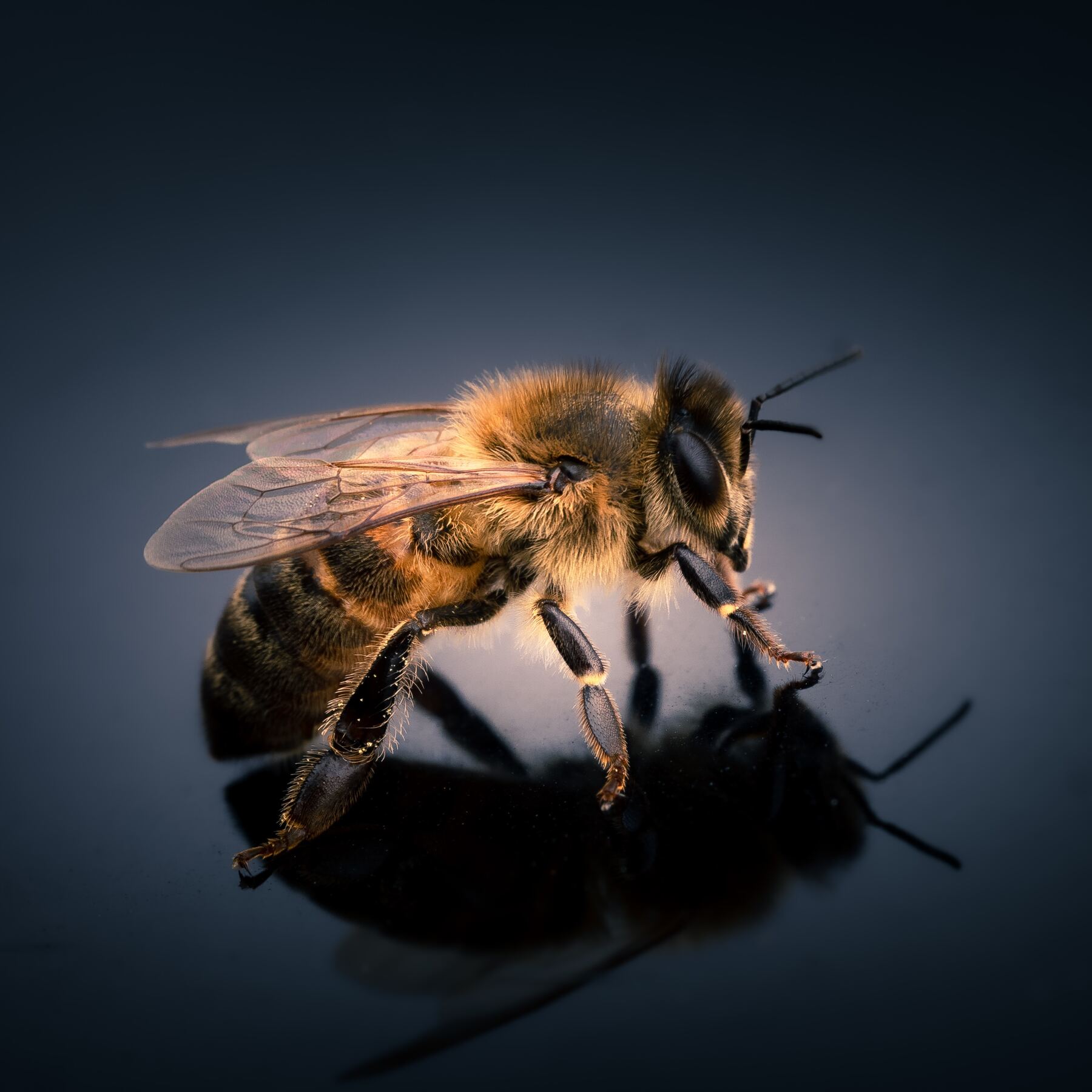
Bees are incredibly important pollinators that play a vital role in the global food supply. They are responsible for pollinating a wide variety of crops, including fruits, vegetables, nuts, and seeds. In fact, it is estimated that one-third of the world’s food supply depends on pollinators like bees. Without them, many crops would fail to produce fruits and seeds, leading to a significant reduction in the global food supply. This could have devastating consequences for both humans and wildlife, as well as for the planet’s ecosystems as a whole.
Bees also play a critical role in maintaining biodiversity and supporting healthy ecosystems. They are essential for the reproduction of many flowering plants, which provide important habitat and food sources for other wildlife. They are fascinating creatures that have been the subject of scientific research for decades. They have complex social behaviors, communicate with each other through a variety of means, and are able to navigate over long distances using a sophisticated system of landmarks and cues.
Bee Pollination
According to the Food and Agriculture Organization of the United Nations (FAO), bees are responsible for pollinating approximately 75% of the world’s leading food crops. Given their importance to our food supply, ecosystems, and scientific understanding of the natural world, it is crucial that we take steps to protect and conserve bees and their habitats. However, it’s worth noting that other pollinators, such as butterflies, moths, flies, beetles, and birds, also play important roles in pollination.
Different pollinators are often better suited to pollinating certain types of plants, and some crops rely on a diverse range of pollinators for successful reproduction. Bees are particularly important because they are highly efficient and effective pollinators. They are able to collect and transfer large amounts of pollen, and their behavior and physiology make them well-suited to pollinating a wide range of crops and plants.
Wild Bees
Wild bees, also known as native bees, are species that are indigenous to a particular region or ecosystem. There are over 20,000 species of wild bees worldwide, and they come in a wide variety of shapes, sizes, and colors. They generally live on their own or in small, decentralized groups. They build nests in a variety of locations, such as in the ground, in hollow plant stems, or in small cavities in wood or rocks.
Wild bees play an important role in pollinating many plant species, including wildflowers, fruits, and vegetables. They are often more effective pollinators than honeybees for certain types of plants, as they have co-evolved with these plants and are adapted to their specific pollination needs.
Unfortunately, many species of wild bees are currently facing threats from habitat loss, pesticide use, and climate change. Conservation efforts are underway to protect and promote wild bee populations, including the creation of pollinator-friendly habitats, the reduction of pesticide use, and the preservation of natural landscapes.
Honey Bees
Honeybees are a species of bee that is commonly kept in managed colonies by beekeepers for the purpose of producing honey and providing pollination services to crops. They are native to Europe, Africa, and western Asia, but have been introduced to many parts of the world, including North and South America, Australia, and New Zealand.
Honeybees are social insects that live in colonies, which can range in size from a few thousand to over 100,000 individuals. The colony is headed by a queen bee, whose primary role is to lay eggs. The workers, which make up the majority of the colony, are responsible for tasks such as gathering nectar and pollen, tending to the brood (the developing bees), and building and maintaining the hive.
In addition to their role as honey producers, honeybees are also important pollinators for many crops, including almonds, apples, blueberries, and cherries. They are able to collect and transfer large amounts of pollen, and their behavior and physiology make them well-suited to pollinating a wide range of plants.
Unfortunately, honeybee populations have been declining in recent years due to a variety of factors, including habitat loss, pesticide use, and disease. Efforts are underway to promote the conservation of honeybees, including the use of sustainable beekeeping practices, the reduction of pesticide use, and the preservation of natural habitats.
Not Native to United States
Honeybees were introduced to the United States by European settlers in the early 17th century. The first honeybee colonies were brought over by colonists in the Jamestown, Virginia area in 1622, and subsequent colonies were established in other parts of the country over the next few centuries.
Initially, honeybees were brought over to the United States primarily for their honey and beeswax, which were important commodities in Europe. However, as agriculture and horticulture expanded in the United States, honeybees also became important for their role as pollinators of crops such as apples, cherries, almonds, and blueberries.
Over time, honeybees became naturalized in the United States and have since spread throughout much of the country. Today, there are an estimated 2.7 million honeybee colonies in the United States, with many of them managed by beekeepers for honey production and crop pollination.
Colony Functions
In a honeybee colony, there are three types of bees: drones, workers, and a queen. Drones and workers are both male and female bees, while the queen is the only fully developed reproductive female in the colony.
Drones are male bees that are produced from unfertilized eggs laid by the queen. Their primary role is to mate with new queens from other colonies. They do not have stingers and do not participate in tasks such as foraging or caring for the brood.
Workers, on the other hand, are female bees that are produced from fertilized eggs laid by the queen. They perform a wide range of tasks within the colony, including foraging for food, caring for the brood, and building and maintaining the hive. Workers are also the bees that sting, although only females have stingers.
The queen bee is the largest bee in the colony and is responsible for laying eggs. She can lay up to 2,000 eggs per day and is the only fully developed reproductive female in the colony. The queen bee also emits pheromones that help regulate the behavior of the other bees in the colony.
In summary, drones are male bees whose primary function is to mate with queens, workers are female bees that perform a wide range of tasks within the colony, and the queen is the only fully developed reproductive female in the colony and is responsible for laying eggs.
Honey Bees Ratio of Sex
The percentage of male and females in a honeybee colony can vary depending on factors such as the size and age of the colony. However, in a typical honeybee colony, the ratio of female to male bees is heavily skewed towards females.
The vast majority of bees in a honeybee colony are female workers, which make up around 90-95% of the colony’s population. The remaining 5-10% of the colony is made up of male drones.
It’s worth noting that the number of drones in a colony can fluctuate depending on factors such as the time of year and the colony’s reproductive needs. For example, during the spring and summer, when the colony is focused on producing new workers and expanding its population, the number of drones may be relatively low. However, in the fall, when the colony is focused on producing new queens for the following year, the number of drones may increase.
Winter Time
In many honeybee colonies, male drones are typically expelled from the hive and left to die during the winter months. This is because drones do not contribute significantly to the survival of the colony during the winter, as their primary function is to mate with queens, which occurs during the warmer months.
In preparation for winter, honeybee colonies reduce their population and conserve resources in order to survive through the cold months when food sources are scarce. Since drones do not contribute to the production of honey or the care of the brood, they are seen as a drain on the colony’s resources and are often expelled.
The drones are typically expelled from the hive by worker bees, which may physically push them out or refuse to let them back in if they try to re-enter. Without the support of the colony, the drones are unable to feed or care for themselves and eventually die of starvation or exposure.
While this behavior may seem harsh, it is an adaptive strategy that helps honeybee colonies survive through the winter months. By reducing their population and conserving resources, honeybee colonies are better able to withstand the challenges of winter and emerge strong and healthy in the spring.
Honey Bees and Mating
Male honeybees, or drones, mate with queens from other colonies during their mating flight. When a virgin queen bee emerges from her cell, she takes a mating flight, during which she flies to a location known as a drone congregation area. These areas are typically located a short distance away from the hive, and are typically high in the air, in order to make it easier for the drones to find them.
Once the queen reaches the drone congregation area, she releases pheromones that attract drones from other colonies. The drones then mate with the queen in mid-air, and after mating, they die or are unable to mate again due to the loss of their reproductive organs.
It is important for the queen bee to mate with drones from other colonies, as this ensures genetic diversity within the colony and helps to prevent inbreeding. The genetic diversity that results from mating with drones from other colonies helps to ensure the overall health and vitality of the colony.
While honeybees are known for their elaborate mating behavior, other types of bees and social insects may have different mating behaviors. For example, in some species of bumblebees, queens mate with males that they encounter while foraging, rather than congregating in a specific area.
Royal Jelly and The Queen Bee
Royal Jelly is a substance secreted by worker bees that is used to feed the larvae and the queen bee. It is a milky-white, gelatinous substance that is high in proteins, sugars, and vitamins. Royal Jelly is produced by workers in special glands in their heads, and is secreted into special cells in the hive called queen cups.
While all larvae are initially fed Royal Jelly, only the queen bee continues to be fed this substance throughout her life. This special diet of Royal Jelly is believed to be the reason why the queen bee is able to develop into a fully reproductive adult with a larger size and longer lifespan than the worker bees.
Royal Jelly has been used for centuries in traditional medicine, and is believed to have a range of health benefits, including improving immune function, reducing inflammation, and enhancing cognitive function. However, there is limited scientific evidence to support these claims, and more research is needed to fully understand the potential health benefits of Royal Jelly.
Honey
Honey is a sweet, viscous substance that is produced by honeybees from the nectar of flowers. When honeybees collect nectar, they store it in their honey stomachs, where enzymes begin to break down the sugars in the nectar. Once they return to the hive, they regurgitate the nectar into the mouth of another bee, who then regurgitates it to another bee, and so on, until the nectar has been processed and mixed with enzymes from multiple bees. This process, known as “honey making,” helps to break down the complex sugars in the nectar into simpler sugars that are easier to digest.
After the nectar has been processed, the bees deposit it into cells in the honeycomb, where it is further dehydrated by the activity of the bees’ wings. The bees then cap the cells with wax to prevent moisture from entering, which helps to preserve the honey. Honey is an important food source for honeybees, particularly during the winter months when other food sources are scarce. Honey is rich in carbohydrates, vitamins, and minerals, and provides the energy that they need to maintain their body temperature and carry out their activities.
In addition to being important for honeybees, honey has been used by humans for thousands of years as a food, a sweetener, and a medicine. Honey has a range of health benefits, including antibacterial and anti-inflammatory properties, and is often used as a natural remedy for a variety of ailments.
Lifespan
The lifespan of them varies depending on their role in the colony. Worker bees, which are non-reproductive females, typically live for several weeks to a few months during the peak of the summer season when the colony is most active. During the winter months, they may live for several months as they focus on tasks such as caring for the queen and brood, and conserving food resources.
Male bees, or drones, have a shorter lifespan than worker bees, typically living for only a few weeks during the summer breeding season. Their main role is to mate with the queen bee, after which they are usually expelled from the colony and die.
The queen bee has the longest lifespan in the colony, typically living for 2-5 years. However, her fertility declines over time, and she may be replaced by a new queen before the end of her natural lifespan. The replacement of a queen bee typically occurs when the existing queen becomes less productive, either due to age or poor health. In response, worker bees will select a few larvae and begin to feed them with a special food called “royal jelly”, which triggers their development into potential queens.
Once these new queen larvae have developed, they will engage in a process known as “swarming”, in which a group of bees leaves the existing colony to start a new one, taking the new queen with them. Alternatively, the existing colony may choose to replace the queen through a process known as “supersedure”, in which the new queen takes over from the old queen without the need for swarming.
During the replacement process, the existing queen may be killed or allowed to leave the colony with the swarm, depending on the circumstances and the behavior of the worker bees. The new queen then takes over the role of egg-laying and producing pheromones that maintain colony cohesion and organization.
Decline of the Bee Populations
There are many factors that contribute to the decline of wild and honeybees, including:
- Habitat loss and fragmentation: The loss of natural habitats such as meadows, woodlands, and wetlands due to urbanization, agriculture, and other land use changes can limit the availability of forage and nesting sites.
- Pesticide use: The use of pesticides, particularly neonicotinoids, can have toxic effects, including impairing their navigation and foraging abilities, and weakening their immune systems.
- Climate change: Changes in weather patterns, such as early blooming of flowers or shifts in precipitation patterns, can disrupt the timing of flowering and affect the availability of food sources for bees.
- Disease and pests: Bees are vulnerable to a range of diseases and pests, including Varroa mites, Nosema fungus, and American foulbrood, which can weaken and kill colonies.
- Genetic factors: Inbreeding and genetic bottlenecks in honeybee populations can reduce genetic diversity, making them more susceptible to environmental stressors.
- Stress from human activities: Activities such as transportation of bees for crop pollination, exposure to electromagnetic radiation from cell phone towers, and light pollution can cause stress and disrupt natural behaviors of bees.
It is important to note that these factors can interact with each other, creating complex and often synergistic effects on bee populations. Conservation efforts that address these multiple stressors and promote habitat restoration and protection, reduction in pesticide use, and disease management can help to support wild and honeybee populations.
Danger
There are several predators and pests that can harm bees, including:
- Varroa mites: These external parasites feed on the blood of adult bees and their developing brood, weakening them and spreading diseases.
- Wax moths: These pests lay their eggs on beeswax combs, and their larvae feed on the wax, causing damage to the comb and weakening the colony.
- Small hive beetles: These pests feed on pollen and honey, and their larvae can damage comb and cause fermentation of stored honey, which can be harmful to bees.
- Ants: Some species of ants, such as the Argentine ant, can invade beehives and steal honey and brood, and even kill bees.
- Birds: Some bird species, such as the bee-eater and the woodpecker, can raid beehives for honey and brood.
- Skunks and other mammals: Skunks and other mammals can raid beehives for honey and brood, and can also damage the hives themselves.
- Wasps and hornets: Some species of wasps and hornets can prey on bees, either as individuals or by attacking entire colonies.
It’s worth noting that some of these predators and pests may be more common in certain regions or habitats than others, and that their impact on bee populations can vary depending on a range of factors, including the health and resilience of the bee colony, the availability of food sources and nesting sites, and the presence of other stressors such as pesticide exposure or disease.
There are also several types of fungi that can be harmful, including:
- Nosema: This is a fungal disease that affects the digestive system of bees, and can cause symptoms such as diarrhea, decreased lifespan, and reduced immune function.
- Chalkbrood: This is another fungal disease that affects the developing brood, causing them to become mummified and die before emerging as adults.
- Stonebrood: This is a fungal disease that can affect both developing brood and adults, causing them to become hard and stone-like and eventually die.
Fungal diseases can be particularly harmful to bees when they occur in combination with other stressors, such as poor nutrition, pesticide exposure, or habitat loss. It’s important for beekeepers to monitor their hives for signs of fungal infections, and to take appropriate measures such as sanitation, medication, or hive management practices to control the spread of the disease.
Bee Defense Mechanisms
Bees have several mechanisms for defending themselves against predators. The most notable defense mechanism is the use of their stingers, which are modified ovipositors that are used to inject venom into predators.
When a bee perceives a threat, it may release an alarm pheromone to signal to other bees in the colony that there is danger. This can trigger a coordinated response from the colony, with bees swarming around the threat and stinging it in a coordinated effort.
Bees may also use physical barriers to protect their hives, such as propolis, a resinous substance that they collect from trees and use to seal cracks and crevices in the hive. This can help to prevent predators from gaining access to the hive.
Finally, some species of bees, such as honeybees, have evolved social behaviors that allow them to defend their colony more effectively. For example, worker bees may engage in “balling” behavior, in which they surround and suffocate potential threats, such as wasps or hornets, by clustering around them and vibrating their wings to raise the temperature and increase carbon dioxide levels inside the ball. This can be a highly effective way of neutralizing predators without resorting to stinging.
Conclusion
Bees are important pollinators that play a critical role in maintaining the health and productivity of many ecosystems and agricultural systems. Wild bees, such as bumblebees, and solitary bees, are important pollinators of many native plant species, while honeybees are widely used for crop pollination and honey production. However, they face a range of threats, including habitat loss, pesticide use, climate change, disease and pests, genetic factors, and stress from human activities.
Conservation efforts that aim to address these threats and promote habitat restoration and protection, reduction in pesticide use, and disease management can help to support wild and honeybee populations. In addition, public education and awareness-raising campaigns can help to promote the importance of bees and the actions needed to protect them, as well as the many benefits that they provide to human societies and natural ecosystems.