
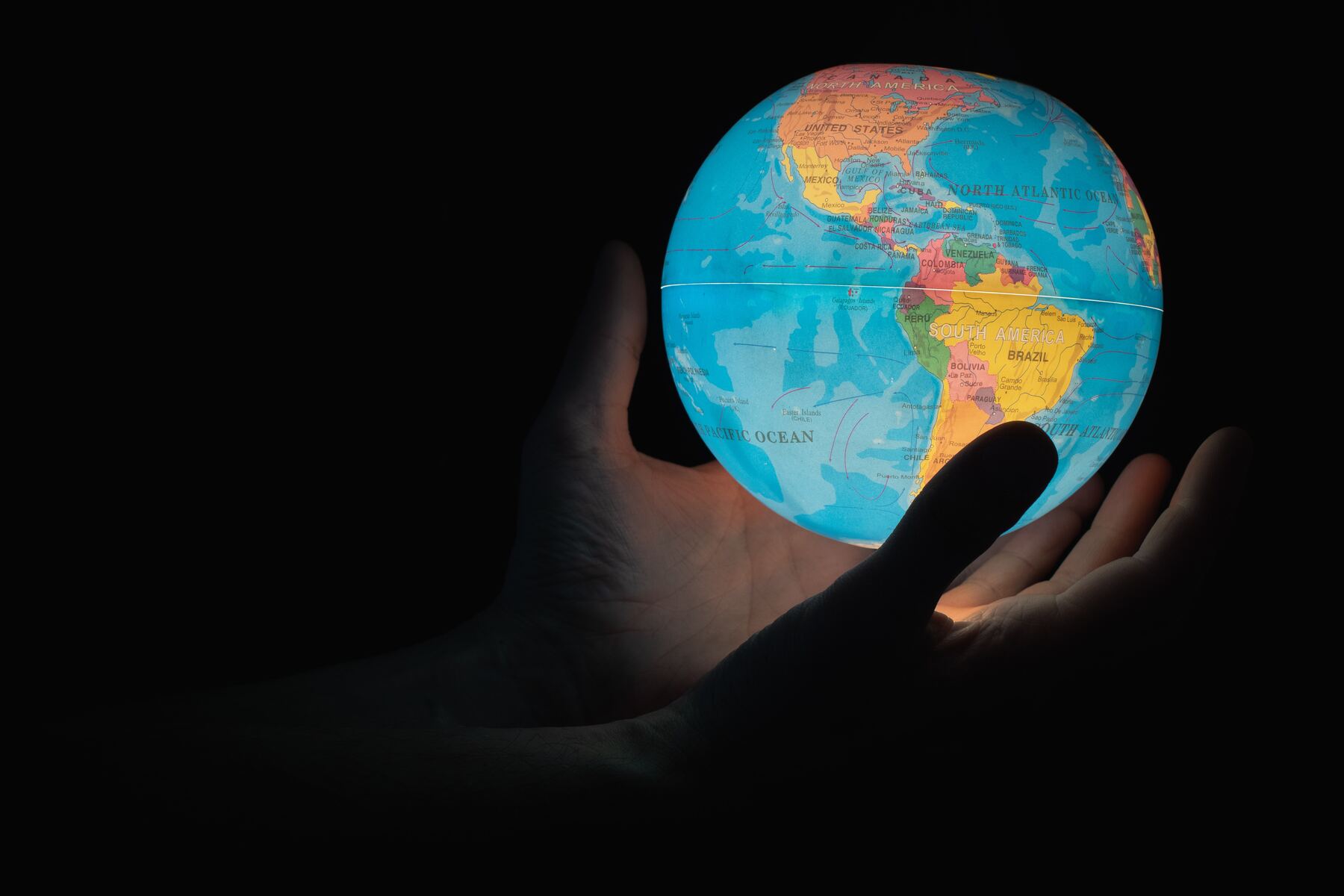
Globalization has been one of the most significant phenomena of the 21st century. It is the process by which the world is becoming more interconnected, and cultural, economic, and political barriers are being reduced. The origins of globalization can be traced back to the 15th century when the first global trade routes were established by European explorers. Since then, globalization has grown exponentially and has become a defining feature of modern society. In this article, we will explore the benefits and disadvantages of globalization, the impact of trade on globalization, and the effect of globalization on access to resources and society as a whole.
The Beginning
Globalization has its roots in the industrial revolution of the 18th and 19th centuries. During this time, advances in transportation, communication, and technology made it possible to produce goods more efficiently and transport them across the globe. As a result, trade and commerce expanded rapidly, leading to increased economic growth and the formation of international markets.
Globalization became more efficient through advances in transportation, communication, and technology. These developments have enabled people, goods, and services to move more easily and quickly across borders, which has facilitated the growth of international trade and commerce.
One of the most significant advances in transportation has been the development of containerization, which revolutionized the shipping industry. Containers allowed goods to be transported more efficiently and securely, reducing the cost and time required for shipping. Additionally, the growth of air travel and the development of larger and more efficient cargo planes has made it easier and faster to transport goods and people across the globe.
Communication technology has also played a significant role in making globalization more efficient. The internet and advances in digital technology have enabled people to connect and communicate across borders in real-time. This has made it easier for businesses to communicate with their customers, suppliers, and partners around the world. It has also facilitated the growth of e-commerce, allowing businesses to sell products and services online and reach customers in new markets.
Finally, advances in technology have increased productivity and efficiency in many industries, allowing businesses to produce goods and services more quickly and at lower cost. For example, automation and robotics have made manufacturing more efficient, while artificial intelligence and machine learning have enabled businesses to analyze data and make more informed decisions.
Overall, these advances in transportation, communication, and technology have made globalization more efficient, allowing businesses and individuals to connect and interact with each other more easily and quickly than ever before.
Benefits
Globalization has brought about numerous benefits for individuals, businesses, and countries around the world. Some of the key benefits include:
- Increased economic growth: Globalization has led to increased international trade and investment, which has boosted economic growth and created jobs in many countries. This has been particularly beneficial for developing countries, as they have been able to attract foreign investment and expand their export markets.
- Access to a wider variety of goods and services: Globalization has made it easier for people to access goods and services from around the world, including food, clothing, and technology. This has increased consumer choice and led to lower prices for many products.
- Cultural exchange: Globalization has facilitated the exchange of ideas, beliefs, and values between people from different cultures. This has led to increased understanding and tolerance between different groups and has enriched the cultural diversity of societies.
- Improved living standards: As a result of increased economic growth, many countries have seen improvements in living standards, including increased access to education, healthcare, and other basic services.
- Innovation and technological advancement: Globalization has encouraged innovation and the development of new technologies as businesses seek to remain competitive in the global market. This has led to improvements in areas such as medicine, communication, and transportation.
- Environmental benefits: Globalization has encouraged businesses to adopt more sustainable practices in order to reduce costs and improve their reputation. This has led to improvements in areas such as renewable energy, waste reduction, and environmental protection.
Overall, globalization has brought about many benefits for individuals, businesses, and countries around the world. While there are certainly challenges and negative consequences associated with globalization, it has played a significant role in driving economic growth, increasing access to goods and services, and promoting cultural exchange and understanding.
Disadvantages
While globalization has brought about many benefits, it has also led to several disadvantages and negative consequences. Some of the key disadvantages include:
- Exploitation of workers: Globalization has led to the outsourcing of jobs to countries with lower labor costs, leading to exploitation of workers in developing countries. This has been particularly problematic in industries such as textiles and manufacturing, where workers are often paid low wages and work in poor conditions.
- Growing inequality: While globalization has led to economic growth in many countries, it has also contributed to growing inequality, both within and between countries. As a result, some have benefited greatly from increased trade and economic growth, while others have been left behind, leading to social and economic disparities.
- Environmental degradation: Increased economic activity and international trade have led to increased resource consumption and environmental degradation. This has contributed to issues such as climate change, deforestation, and pollution.
- Cultural homogenization: While globalization has promoted cultural exchange, it has also led to the spread of western cultural values and a homogenization of culture. This has led to concerns about the loss of cultural diversity and the erosion of traditional values and practices.
- Political implications: Globalization has had significant political implications, including the concentration of power in the hands of multinational corporations and the wealthy elite. This has led to concerns about the impact of globalization on democracy and the ability of governments to regulate and control economic activity.
Overall, while globalization has brought about many benefits, it has also led to several disadvantages and negative consequences. It is important for policymakers to address these challenges and work towards creating a more just and sustainable global society.
Trading and Globalization
One of the driving forces behind globalization is trade. The ability to buy and sell goods and services across borders has increased economic growth and development around the world. International trade has allowed countries to specialize in the production of goods and services that they are most efficient at producing, leading to increased productivity and lower costs.
However, trade can also have negative consequences. Some argue that trade can lead to a race to the bottom, where companies move their operations to countries with the lowest labor and environmental standards. This can lead to exploitation of workers and environmental degradation in developing countries.
Global trade has grown significantly over the past several decades, fueled in large part by advances in technology, transportation, and communication. According to the World Trade Organization (WTO), global trade in goods and services reached $25.9 trillion in 2019, up from $12.4 trillion in 2000 and $5.5 trillion in 1980.
In the decades following World War II, trade was largely limited to a few major players, including the United States and Europe. However, the liberalization of trade policies in the 1980s and 1990s, coupled with the opening up of China and other emerging markets, has led to a significant increase in global trade.
Today, trade is more interconnected than ever before, with many countries relying on imports and exports to fuel their economies. Global supply chains have become increasingly complex, with goods often passing through multiple countries before reaching their final destination.
Despite the benefits of increased trade, globalization has also led to concerns about the impact of trade on workers, the environment, and national sovereignty. Critics of globalization argue that it has led to a race to the bottom in terms of labor standards and environmental protection, as companies seek to cut costs and maximize profits.
Access to Resources
Another impact of globalization is access to resources. As companies expand their operations globally, they may seek out natural resources in developing countries, leading to environmental degradation and conflicts over resources. Additionally, access to resources can be limited for people in developing countries, as multinational corporations may control the production and distribution of resources.
While globalization has enabled countries to operate with resources, manufacturing, and transportation outside of their own borders, it is important to note that not all countries have been able to take full advantage of these opportunities. For example, many developing countries have struggled to attract foreign investment and have faced challenges in building the necessary infrastructure and expertise to fully participate in global markets. These countries may lack the necessary resources, such as skilled labor or capital, to compete with larger and more developed economies.
Additionally, the benefits of globalization have not been evenly distributed, and some countries have been left behind. While some countries have been able to attract foreign investment and grow their economies, others have struggled to compete and have faced economic stagnation or decline.
Furthermore, globalization has also had negative consequences for many countries, particularly those with weaker regulatory frameworks or labor standards. In some cases, multinational corporations have taken advantage of these weaknesses to engage in exploitative practices, such as using child labor or exploiting workers in sweatshops.
While globalization has enabled countries to operate resources, manufacturing, and transportation outside of their own borders, the benefits have not been equally distributed and some countries have struggled to compete in the global economy. It is important for policymakers to address these challenges and work towards creating a more just and sustainable global society.
Society and Vulnerabilities
Globalization has had a significant impact on society. On one hand, it has led to increased economic growth and development, cultural exchange, and the spread of democracy and human rights. On the other hand, it has led to the exploitation of workers, environmental degradation, and conflicts over resources.
Globalization has also led to the emergence of global civil society, as people around the world come together to address global issues and advocate for change. This has led to the formation of global NGOs and advocacy groups that work to promote human rights, environmental sustainability, and social justice.
However, globalization has also contributed to growing inequality, both within and between countries. While some have benefited greatly from increased trade and economic growth, others have been left behind, leading to social and economic disparities. This has led to concerns about the impact of globalization on democracy, as some argue that it has led to a concentration of power in the hands of multinational corporations and the wealthy elite.
One of the key drivers of globalization has been the increased demand for natural resources, such as oil, minerals, and timber. This demand has led to increased extraction and exploitation of resources in many parts of the world, often at the expense of local communities and the environment.
In some cases, multinational corporations have taken advantage of weaker environmental and labor regulations in developing countries to engage in exploitative practices, such as clear-cutting forests or using toxic chemicals to extract minerals. This has led to environmental degradation, displacement of local communities, and social conflict.
Furthermore, as countries become more integrated into the global economy, they may become increasingly reliant on exports of natural resources, which can create vulnerabilities in their economies. For example, countries that rely heavily on exports of a single commodity, such as oil or minerals, may be vulnerable to fluctuations in global commodity prices, which can lead to economic instability and hardship for local communities.
In addition, as countries become more integrated into the global economy, they may lose important avenues for economic development. For example, as multinational corporations set up operations in developing countries, they may displace local businesses and undermine local economies. This can lead to the loss of traditional livelihoods and cultural practices, and can make local communities more vulnerable to economic shocks.
Conclusion
Globalization has been a defining feature of modern society, and its impact has been both positive and negative. While it has led to increased economic growth, cultural exchange, and the spread of democracy and human rights, it has also led to the exploitation of workers, environmental degradation, and growing inequality. As the world becomes increasingly interconnected, it is important to address the negative consequences of globalization and work towards creating a more just and sustainable global society.